
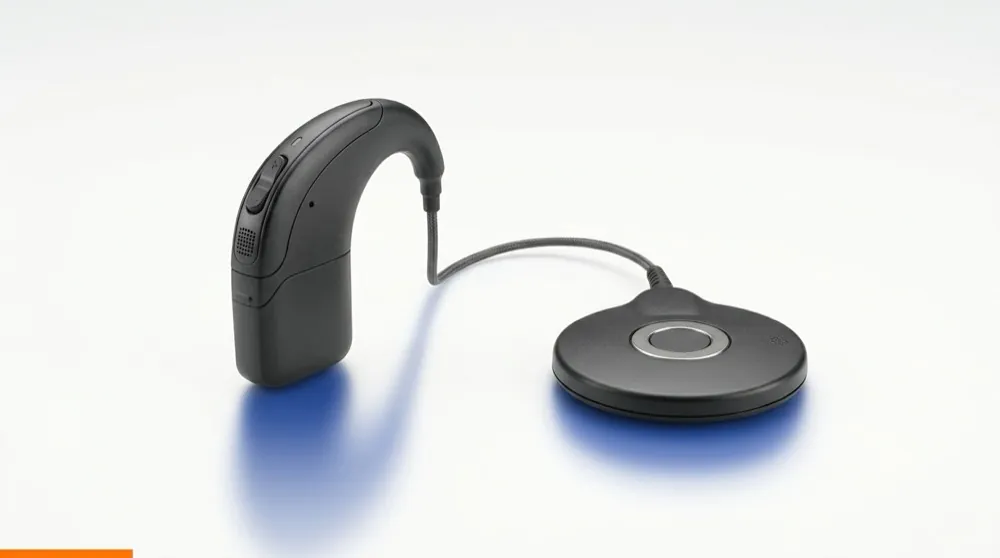
In the months after switch-on, the questions families bring to mapping appointments change character. The medical chapter is closing, and an entirely practical one opens: school admissions, PT periods, swimming lessons, a wedding in another city, a grandmother’s knee MRI that suddenly makes everyone wonder about the child’s scan rules. This guide collects the answers we give most often — so the implant runs the child’s life as little as possible.
Can my child attend a normal school?
In most cases, yes — mainstream school is the goal of early implantation and good therapy, and thousands of implanted children across India study in regular classrooms. What helps enormously: a front-row seat away from the corridor and fan noise, a two-minute chat with each new class teacher about the device, and spare batteries in the school bag. Many processors also pair with remote microphones the teacher can wear — worth asking about as classes get larger and noisier. Tell the school what the child can do first; the device explanation comes second.
Which sports are allowed — and what about helmets?
Once the surgeon clears full activity — usually a month or two after surgery — the default answer to sport is yes. Running, cricket, football, badminton, skating, karate: all routinely played by implanted children. Two sensible cautions cover almost everything. First, in rough contact play, a direct hard blow to the implant site is the thing to avoid, so coaches should know where the device sits. Second, helmets — for cycling, skating or cricket batting — should fit comfortably over the site; a little foam padding solves most pressure complaints, and the processor can simply be clipped off for the over if it interferes.
What about water — bathing, swimming, monsoon?
The internal implant is sealed under the skin; water is no threat to it whatsoever. The external processor is electronics, and is treated like a phone: off and stored dry for bathing and swimming, unless you use the manufacturer’s waterproof case or aqua accessory, which lets children hear in the pool. In Gujarat’s monsoon and on humid coastal trips, a drying kit used nightly prevents most moisture faults — the same habit we teach hearing aid users in our monsoon care guide for hearing devices.
What happens at airports, with phones and with MRI?
| Situation | Verdict | Precaution |
|---|---|---|
| School & classroom | Yes, mainstream for most | Front seating, teacher briefed, spare batteries |
| Cricket, football, karate | Yes | Avoid direct blows to the implant site; brief the coach |
| Helmet sports | Yes | Pad the helmet over the site; clip processor off if needed |
| Swimming & bathing | Yes | Processor off, or use the waterproof aqua kit |
| Airport security | Safe | Carry the device ID card; request pat-down if it beeps |
| Mobile phones & Bluetooth | Yes — often better than ever | Most modern processors stream calls directly |
| MRI scan | Conditional | Inform every doctor; follow the manufacturer’s MRI protocol |
The MRI row deserves emphasis because it is the one lifelong rule. The implant contains a magnet, so every MRI must follow the manufacturer’s conditions for that exact model — many recent implants are scanned at 1.5T or 3T with simple precautions, while some older ones need the magnet removed first or a CT instead. The habit to build is simple: the implant is mentioned to every doctor, every time, and the device identity card lives in the family’s document pouch next to the Aadhaar cards.
A pattern we see often at our Gandhinagar clinic: loving parents who, a full year after successful surgery, are still keeping their son out of PT period and birthday-party swimming “to protect the machine”. The intention is beautiful; the effect is not — the child misses exactly the noisy, social, language-rich situations the implant was bought for. Once we walk the family through the table above, the bans usually shrink to two real rules: pad the helmet, mind the MRI. If you want this kind of practical, ongoing support — mapping reviews, device troubleshooting, school guidance — our cochlear implant rehabilitation programme in Gandhinagar stays with families long after surgery, and if relatives are still asking why an implant rather than a powerful aid, share our hearing aid vs cochlear implant explainer.
Get ongoing implant support near home