103, Siddhraj Zori, Sargasan, Gandhinagar Mon–Sat: 9:30 AM – 7:30 PM 88776 72821
Home / Services / Voice & Swallowing Therapy

Voice & Swallowing Therapy in Gandhinagar

For the teacher whose voice gives up by afternoon, the singer fighting hoarseness, and the family member who coughs with every meal — structured evaluation and therapy that works.

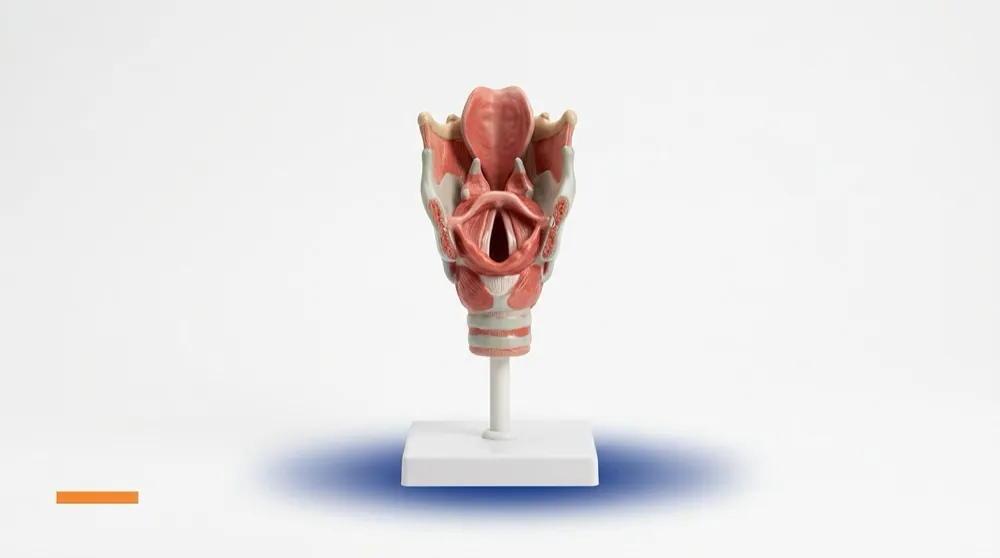
Voice and swallowing therapy assessment setup at Renuka Speech and Hearing Clinic Gandhinagar

Voice therapy — your voice is your livelihood

Teachers, lawyers, sales professionals, devotional singers, call-centre workers — Gandhinagar runs on voices, and voices wear out when used hard and used wrong. Persistent hoarseness, a voice that tires by evening, pain while speaking, or breathiness are signs your vocal cords are struggling, not "just how it is."

What we treat:

  • Vocal fatigue & strain — voice that weakens through the day, common in teachers and speakers.
  • Hoarseness & rough voice — including vocal nodules and misuse patterns (with ENT coordination where examination is needed).
  • Pitch and loudness problems — voice too soft, too high, or unstable for daily and professional life.
  • Professional voice training — healthy projection technique for those who speak or sing for a living.

Therapy combines vocal hygiene (how you use, rest and hydrate your voice), targeted exercises to rebalance the voice mechanism, and habit retraining. Most voice patients hear and feel the difference within weeks of consistent practice.

Swallowing therapy (dysphagia)

Coughing or choking during meals, food sticking in the throat, taking very long to finish eating, or repeated chest infections in an elderly family member — these are signs of a swallowing disorder. Dysphagia commonly follows stroke, Parkinson's disease, ageing, or head-neck treatments, and it is dangerous when ignored: food entering the airway causes pneumonia.

Our dysphagia care includes:

  • Clinical swallowing evaluation — testing different food/liquid consistencies safely.
  • Swallowing exercises — strengthening and coordination retraining for safer swallows.
  • Safe-swallow strategies — postures and techniques that immediately reduce choking risk.
  • Family guidance — food texture modification and mealtime safety, taught practically.

Signs you should book a voice or swallowing evaluation

  • Hoarseness lasting more than 2–3 weeks
  • Voice that tires, cracks or drops by evening (teachers, trainers, singers)
  • Pain or strain while speaking
  • Coughing or choking while eating or drinking
  • Food sticking in the throat; meals taking far longer than before
  • Repeated chest infections in an elderly family member — silent aspiration must be ruled out

What it costs in Gandhinagar

Last updated: June 2026 — prices reviewed quarterly.

Test/ServiceTypical rangeNotes
Voice/swallowing evaluation₹500–1,200One-time structured assessment
Therapy session₹400–900Voice or swallowing therapy

We coordinate with your ENT for scope examinations where needed — call 88776 72821 for current clinic charges — no hidden fees.

A pattern we see often in clinic: a school teacher whose voice is fine in the morning but rough and exhausted by the last class, managed for months with lozenges and whispering. The evaluation usually shows a strain-and-misuse pattern rather than anything sinister — and once vocal hygiene and projection technique are retrained, the voice stops being a daily worry.

My voice has been hoarse for 3 weeks. What should I do?
Hoarseness lasting beyond 2–3 weeks should always be checked rather than pushed through — book an ENT examination of the vocal cords along with a voice evaluation. Together these tell us whether the cause needs voice therapy, medical care or both. Whispering or forcing the voice through it without a diagnosis usually makes the strain pattern worse.
Can swallowing problems in the elderly really improve?
Yes — in most cases swallowing problems in the elderly genuinely improve with structured therapy, using strengthening exercises, safe-swallow strategies and the right food textures. Even when the underlying condition is progressive, such as Parkinson's disease, therapy makes eating noticeably safer and significantly reduces the risk of aspiration pneumonia — the real danger of untreated dysphagia.
Do you coordinate with our ENT or neurologist?
Yes, always — voice and swallowing care works best as a team, so we routinely coordinate with your ENT for vocal cord examinations and with your neurologist for stroke or Parkinson's care. We share our evaluation reports, align therapy goals with the medical treatment plan, and refer you onward whenever an examination is needed first.
Can my voice recover without surgery?
In most cases, yes — hoarseness caused by strain, vocal misuse and many early vocal nodules improves with voice therapy alone, without surgery. Surgery is reserved for specific structural lesions that an ENT identifies on examination, and even after such surgery, voice therapy is what protects the result and stops the problem returning.
Which foods are dangerous in swallowing problems?
Thin liquids such as water and tea are usually the riskiest in a swallowing disorder, because they move too fast for a weakened swallow to control; mixed textures that combine liquid and solid can also cause trouble. We test different consistencies safely during the evaluation and prescribe exact textures — never thicken or restrict foods based on guesswork.
Is swallowing therapy possible at home for my bedridden parent?
Yes — swallowing therapy can be delivered largely at home for a bedridden patient. We begin with a clinical evaluation at the clinic or on a home visit in Gandhinagar, then teach family members the exercises, safe-feeding postures and food-texture changes, with periodic reviews so the plan keeps pace with your parent's condition.

Your voice deserves expert care

Voice therapy · Swallowing therapy · Sargasan, Gandhinagar

Call 88776 72821 Book Appointment