
Every year, in the weeks after Navratri, our Gandhinagar clinic sees the same visitors: garba singers, garba class instructors, aarti lead singers and enthusiastic participants whose voices simply gave up somewhere around night six. The pattern is so predictable that we have started calling it the “post-Navratri voice”. The good news — almost all of it is preventable with habits that cost nothing.
Why does garba season wreck so many voices?
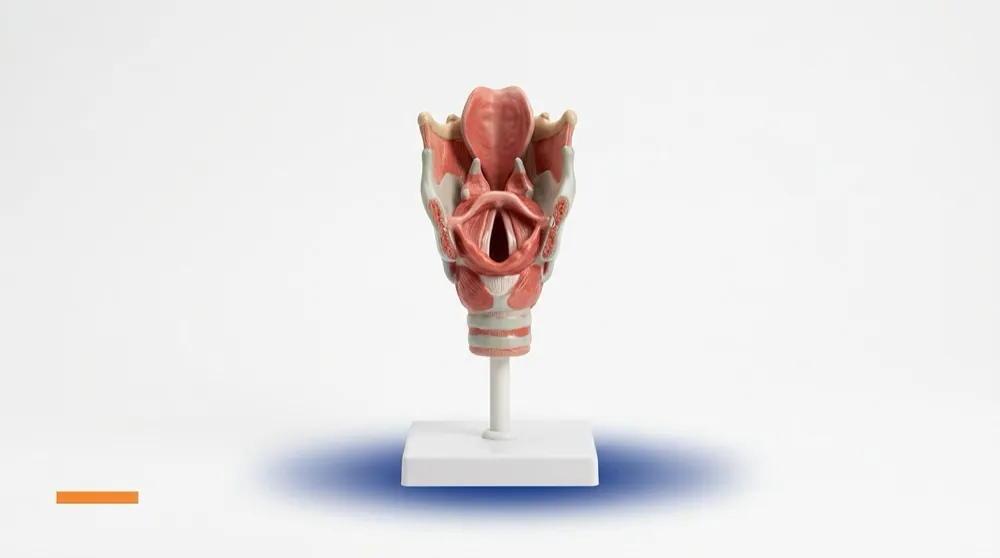
Your vocal cords are two small folds of muscle and delicate lining that collide hundreds of times per second when you sing. Garba season stacks every risk factor on top of them at once: three to four hours of continuous loud singing, open grounds where you push your voice to compete with drums and speakers, late nights that cut into the sleep your tissues need to repair, dust and festival-season air, and chai or cold drinks instead of plain water. One night of this causes temporary swelling; nine consecutive nights can turn that swelling into vocal nodules — small callus-like bumps on the cords that make the voice permanently husky until treated.
What should a singer do before, during and after a garba night?
Think of your voice the way a kabaddi player thinks of their hamstrings — warm it up, use it with technique, and cool it down. This is the routine we teach performing singers:
| Stage | What to do | Time needed |
|---|---|---|
| Before singing | Gentle humming, lip trills (“brrr”), sliding from low to high notes on “ng”; start soft and easy | 10 minutes |
| During the event | Sip room-temperature water every 15–20 minutes; let the microphone do the loud work; rest the voice fully during instrumental breaks | All night |
| After singing | Cool-down: 5 minutes of soft, sighing hums on a descending note; then minimal talking till morning | 5–10 minutes |
| Next day | Steam inhalation morning and evening, 2.5–3 litres of water, no shouting or long phone calls | Through the day |
How do you protect your voice while performing?
- Never sing over the system — sing with it. Ask for a proper stage monitor or keep one speaker angled towards you. When singers cannot hear themselves, they push 20–30% harder without realising it.
- Hold the mic close and steady. A microphone at 5–8 cm from your mouth lets you sing at a conversational effort. Holding it at your chest forces you to shout.
- Avoid constant throat clearing. It slams the cords together. Sip water or do a silent, hard swallow instead.
- Watch the chai-and-fafda effect. Heavy fried food and late-night tea push stomach acid upward while you sleep, and that acid quietly burns the voice box. If you wake up husky with a sour taste, reflux is part of your problem.
- Protect the day voice. If you sing at night, do not spend the day shouting instructions at garba classes or talking for hours on calls. The cords get one budget; spend it on stage.
When is post-garba hoarseness a red flag?
A husky voice the morning after a big night is normal fatigue and should settle in two to four days with rest and hydration. What is not normal: hoarseness that persists for more than two weeks after the festival, a voice that cracks or cuts out mid-sentence, pain while speaking, or needing visible effort to be heard in a quiet room. These are the classic signs of vocal cord swelling or early nodules — we have written a full guide on when a hoarse voice needs a laryngoscopy. Caught early, most of these resolve with voice therapy alone, typically Rs.500–1,000 per session, without any surgery.
A pattern we see often at our Gandhinagar clinic: a garba class instructor who teaches loudly all day and performs at night arrives in late October with a voice that has been rough for a month. By then the cords are swollen from weeks of overuse, and what would have been a few days of rest in week one becomes six to eight weeks of structured voice therapy. The singers who come early always recover faster.
What does professional voice care for singers involve?
A voice evaluation looks at how you breathe, where you carry tension, and how the cords behave during singing — with an ENT laryngoscopy when the picture suggests nodules or swelling. Therapy then rebuilds technique: breath support, easy onset, safe projection and a personalised warm-up routine. If your voice is your passion or your livelihood, a pre-Navratri check-up is honestly the best gift you can give it — book a voice therapy consultation in Gandhinagar before the season starts, not after it ends. Adults who have strained their speaking voice for years may also notice effortful speech; our article on adult speech problems and stammering explains when speaking difficulties deserve attention too.
WhatsApp us for a voice check-up