
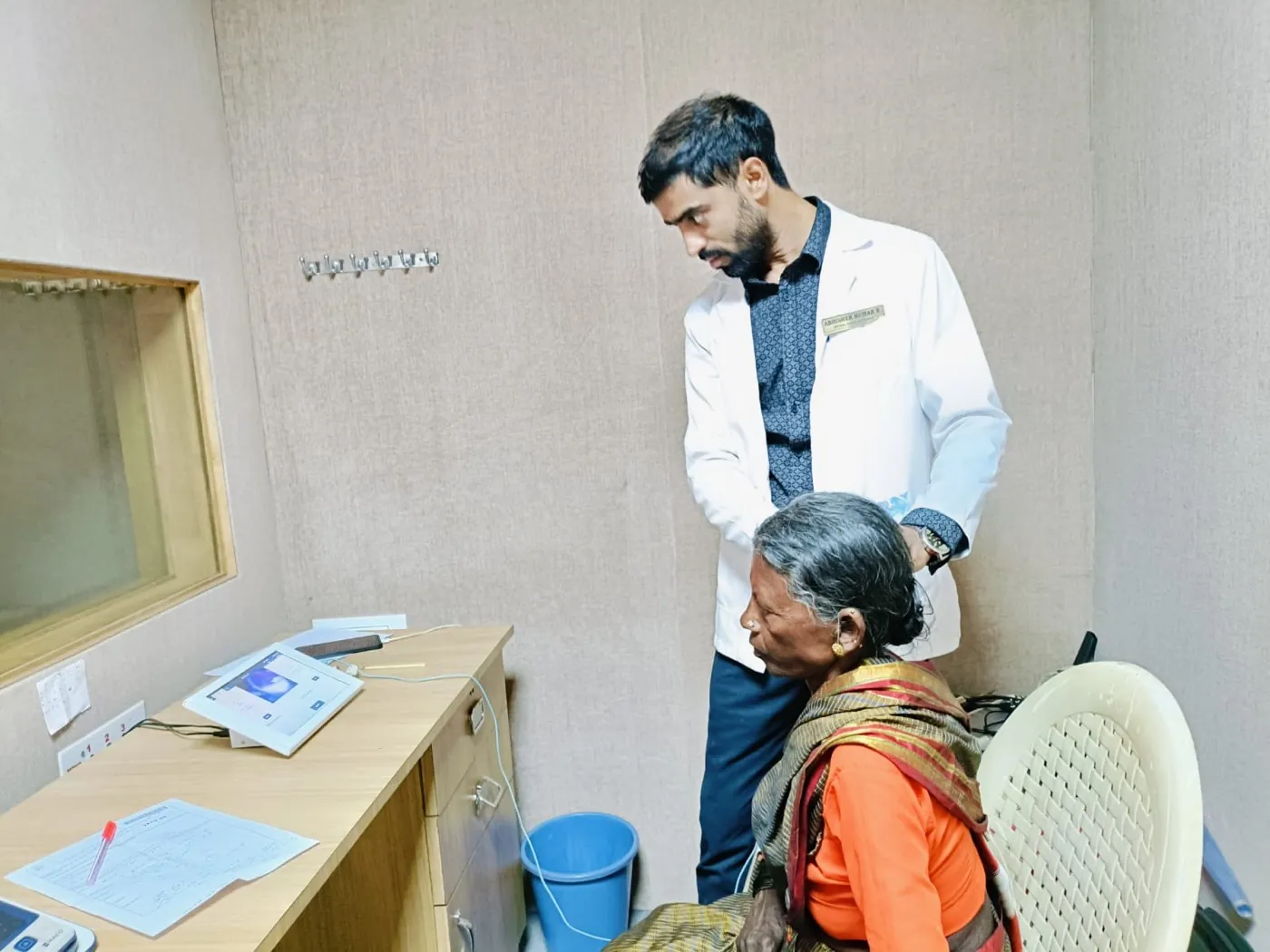
It usually starts the same way: you wake up, the phone sounds odd against one ear, your own voice echoes strangely, and the ear feels full — maybe with a new ringing or whooshing sound. Most people decide it is wax, water from the morning bath, or a leftover cold, and give it a week. Sometimes two. And that is precisely the mistake this article exists to prevent, because if it turns out to be sudden sensorineural hearing loss (SSNHL), the treatment that can bring hearing back works best in the first 72 hours.
Why is sudden hearing loss an emergency and not “just a blocked ear”?
Sudden sensorineural hearing loss means the inner ear or hearing nerve has abruptly stopped working properly — usually in one ear, developing within 72 hours or literally overnight. The exact cause often remains unknown even after investigation; viral inflammation and tiny disturbances in the inner ear’s blood supply are the leading suspects. What is well established is the treatment: a course of corticosteroids prescribed by an ENT doctor — oral tablets, injections through the eardrum (intratympanic steroids), or both. And the single factor most within your control is time. The sooner steroids start, the better the odds of meaningful recovery; with every week of delay, the window narrows, and beyond about a month the chances of treatment helping fall sharply.
How do I know it is sudden hearing loss and not wax or a cold?
You cannot know for certain at home — that is the honest answer, and it is exactly why same-day testing matters. But the patterns differ, and the table below shows what we look for:
| Ear wax / water | Cold / flight congestion | Sudden sensorineural loss | |
|---|---|---|---|
| Onset | Often after bathing or swimming | Builds with the cold, both ears common | Overnight or within hours, usually one ear |
| How it sounds | Blocked but clear, like a finger in the ear | Dull, with pressure that pops | Muffled and distorted — words sound wrong |
| Other signs | Itching, sense of a plug | Blocked nose, ear pressure changes | New ringing, fullness, sometimes vertigo |
| What to do | Professional wax check — same day | Usually settles with the cold; test if it persists | Urgent audiometry + ENT, within 72 hours |
A simple kitchen-table check while you arrange the visit: hum loudly, or rub your fingers next to each ear and compare. If sounds seem shifted away from the bad ear and speech in it sounds distorted rather than just soft, treat it as urgent. Either way, the definitive answer takes one quick look in the ear and a 30-minute audiogram — wax is visible in seconds, and the audiometer separates a blockage from nerve loss reliably. You can read more about the harmless lookalike in our guide to ear wax and temporary hearing loss.
What happens at the clinic on day one?
When someone calls our clinic describing a sudden one-sided loss, they are seen on priority — usually the same day. First, the ear canal is examined; if a wax plug or infection is the culprit, the problem is solved then and there. If the canal and eardrum look normal, pure tone audiometry with bone conduction confirms whether the loss is sensorineural and measures how deep it is. With a confirmed SSNHL pattern, we refer immediately to an ENT physician for steroid treatment — the ENT clinic below ours makes that referral fast — and we then track recovery with repeat audiograms over the following weeks. If you are searching for an audiologist in Gandhinagar for an urgent same-day hearing test, call or WhatsApp us on 88776 72821 and mention that the loss is sudden.
What do recovery chances depend on?
Recovery from SSNHL is genuinely possible — some people recover spontaneously, and many more recover partially or fully with prompt treatment. Honest factors that influence the outcome:
- Speed of treatment — the strongest factor you control; days matter, weeks cost.
- Severity of the drop — milder losses recover more often than profound ones.
- Vertigo alongside the loss — spinning dizziness with the hearing drop generally signals a tougher recovery; it also needs its own assessment, as we explain in our guide to vertigo and BPPV.
- Age and overall health — uncontrolled diabetes or blood-pressure disease can work against the inner ear’s recovery.
A pattern we see often at our Gandhinagar clinic: a patient notices one dull ear after a cold or a long bus journey, assumes it is congestion or wax, and tries home drops for two or three weeks before coming in. The audiogram then shows a sensorineural drop that began weeks earlier — well past the best treatment window. The frustrating part is that the first phone call would have taken five minutes; the test, thirty.
What if hearing does not come back fully?
If some loss remains after treatment and the recovery period, it is manageable — and managing it matters more than people expect, because living with one working ear strains conversation, direction sense and safety in traffic. Options range from a conventional hearing aid on the affected side to CROS-type fittings that route sound from the dead ear to the good one. The right choice depends on your audiogram, and persistent tinnitus in that ear can usually be addressed in the same plan. But that is chapter two. Chapter one is simple: if one ear dropped suddenly, act today, not next week.
Get an urgent same-day hearing test